
Voices from our partners
Space for advertiser and publisher testimonials.
 The next 10
DIGITAL MOJITO / 2016—2026
A decade of performance.Built on transparency,shared with the people who made it possible.
Come along for the story
01 / OUR STORY
THE EARLY DAYS — TODAY
The early days bring to mind a desk, a laptop and the people behind the work.
From a small workspace to an international network, our story has been shaped by honest conversations, hard work and the people we met along the way.
Josh & Sonia — Co-founders

THE NAME BEHIND THE NAME
DIGITAL MOJITO / 10 YEARS
Every name has a story.
We look forward to sharing who Mojito was and how Digital Mojito got its name once the story is confirmed.
OUR JOURNEY / 2016—2026
TEN YEARS TOGETHER
Choose a year to explore the moments that bookend our first decade. More milestones will join the path.
Digital Mojito is born.
10 years of Digital Mojito.
A decade of milestones that shaped Digital Mojito, with a few final moments still being added.
02 / TEN YEARS IN NUMBERS
EVERY NUMBER HAS A STORY
Behind every lead is a connection, a campaign and people working together.
TEN YEARS OF PERFORMANCE. COUNTLESS HUMAN CONNECTIONS.
03 / THE PARTNERSHIPS
BETTER TOGETHER
Behind every campaign is a team that believes in what’s possible.
To the brands that have trusted us, thank you. Every brief, conversation and collaboration has helped shape the Digital Mojito story.









04 / TO OUR ADVERTISERS & PUBLISHERS
TO OUR ADVERTISERS
Thank you for trusting us with your campaigns.
TO OUR PUBLISHERS
Thank you for the energy, expertise and connections you bring.
Here’s to all the people behind the performance.
05 / THE LEARNINGS
THE FOUNDER INTERVIEW
Lessons from Josh and Sonia on building a business, nurturing partnerships and navigating performance marketing.
Q: Transparency is central to Digital Mojito’s identity. Has being transparent ever worked against you?
As an affiliate network, we operate between advertisers and publishers. That position comes with risks.
We’ve experienced situations where partners have tried to bypass us and work directly together, removing us from the equation.
It’s frustrating because a good network brings much more to the table than an introduction. We provide access to multiple traffic sources, centralise communication and billing, monitor performance, invest in fraud prevention and take responsibility when problems arise.
Being transparent can make your business relationships more vulnerable. But we don’t believe the solution is to become less transparent.
We’ve learnt that trust is one of the most valuable things you can build in this industry, even when protecting it involves taking risks.
Transparency doesn’t mean disclosing confidential commercial information. It means being honest about performance, expectations, problems and results.
Ten years later, we’d rather build our business around trust than around keeping people in the dark.
Q: In an industry where speed is everything, why do you sometimes prefer to slow things down?
There’s always pressure to get campaigns live quickly. Advertisers want results, publishers want to start generating traffic and everyone wants things moving yesterday.
But we’ve learnt that launching before everything is ready usually creates more work than it saves.
Tracking needs to be configured correctly. Postbacks need testing. Creatives and landing pages need approval. Campaign conditions, restrictions and validation criteria need to be clear.
Otherwise, you risk generating traffic that isn’t tracked properly, leads that won’t be accepted or disputes that could have been avoided.
We prefer to take the time to get things right, even if that means launching a little later.
A delayed launch is frustrating. A broken launch is expensive.
Q: What’s the biggest mistake companies make when trying to scale a successful campaign?
One of the biggest mistakes is assuming that a campaign performing well today should immediately receive more volume.
We prefer to start with controlled traffic, analyse the results and increase volume progressively.
Before scaling, we want consistent feedback from the advertiser, healthy approval rates and confidence that the leads are delivering value.
But there’s another factor that doesn’t get discussed enough: payment reliability.
A campaign can look extremely profitable on paper, but if the advertiser takes 120 days to pay, increasing volume also increases your financial exposure.
And when you’re responsible for paying publishers, that’s a serious consideration.
We’ve learnt that scaling isn’t just a performance decision. It’s also a financial and operational decision.
More volume doesn’t automatically mean better business.
Sustainable growth matters more.
Q: Fraud prevention requires a significant investment. What have ten years taught you about protecting traffic quality?
Fraud is one of the biggest challenges in performance marketing, and dealing with it can consume an enormous amount of time.
Beyond the financial impact, it can damage relationships and put years of reputation-building at risk.
That’s why we’ve invested in several layers of protection.
We use 24Metrics to help identify suspicious traffic and reduce fraud-related issues.
Since introducing it, we’ve experienced fewer incidents involving certain types of fraud.
But technology alone isn’t enough.
We also have a dedicated team member monitoring campaign figures and preparing daily, weekly and monthly reports, depending on the campaign.
Behind the scenes, we operate a network of automated monitoring systems connected to Everflow, working around the clock to identify unusual activity and flag potential issues that might otherwise go unnoticed.
These systems complement one another.
Of course, no solution can prevent every type of fraud. But combining specialist technology, continuous automation and human oversight helps us identify problems earlier and reduce their impact.
The real cost of fraud isn’t just the money. It’s the time, relationships and reputation you can lose trying to resolve it.
Q: Has your definition of a successful campaign changed over the last ten years?
When you work in lead generation, it’s easy to focus on conversion numbers.
But a conversion recorded in a tracking platform doesn’t necessarily mean the advertiser has received a valuable lead.
What matters is what happens afterwards.
Was the lead valid? Did it meet the campaign requirements? Was it approved? Did it provide a genuine opportunity for the advertiser?
That’s why feedback and validation data are so important.
But we’ve also learnt that a rejected lead doesn’t automatically mean poor-quality traffic.
Sometimes the issue lies in the advertiser’s follow-up process, unrealistic validation criteria or a disconnect between the campaign expectations and what was actually delivered.
Understanding what happened after the conversion is just as important as understanding how that conversion was generated.
We’ve learnt to look beyond initial conversion figures and focus on the genuine value we’re delivering.
A campaign generating fewer leads with strong approval rates can be more valuable than one generating impressive volumes that ultimately get rejected.
Equally, high rejection rates deserve proper investigation rather than automatically placing the responsibility on publishers.
Good performance marketing requires accountability on both sides.
The conversion is not the finish line. It’s where the real evaluation begins.
Q: Payment terms have become a growing challenge in affiliate marketing. What’s your perspective?
Payment delays are a real challenge in our industry, and they’ve become increasingly difficult to manage.
We’ve had to adapt our own payment terms over the years because the reality of how and when advertisers pay has changed.
But there’s something we’ve always felt strongly about.
Once we’ve received payment from an advertiser for approved commissions, we make it a priority to pay the corresponding publishers that same day.
We don’t wait until our next Net 30 billing cycle simply because our internal payment schedule allows it.
Publishers may already have waited a considerable amount of time to receive their money. We don’t see the value in adding another 30 days to that delay.
Of course, every business needs to manage its cash flow responsibly, and payment terms have to be commercially sustainable.
But once the money has arrived, we believe passing it on promptly is the right thing to do.
Payment terms are a business necessity. Unnecessary delays shouldn’t be.
Q: What’s one lesson you’ve learnt about managing difficult situations with partners?
In ten years, we’ve learnt that problems are inevitable.
Tracking can fail. Validation reports can contain discrepancies. Campaigns can be paused unexpectedly. Quality issues can arise.
What makes the difference is how quickly and openly those situations are addressed.
It’s tempting to wait until you have every answer before communicating a problem, especially when the conversation might be uncomfortable.
But silence often creates more uncertainty and frustration.
We believe it’s better to acknowledge an issue, explain what you know and keep partners informed while working towards a solution.
That doesn’t mean having all the answers immediately.
It means taking responsibility for communication.
A difficult conversation today can prevent a much bigger problem tomorrow.
Q: With so much business happening online, are industry events still worth the investment?
Absolutely. If anything, ten years in this industry have made us appreciate face-to-face meetings even more.
We work internationally, so many of our relationships begin through emails, messaging platforms and video calls.
You can work with someone for years without ever meeting them in person.
And then you finally meet at an industry event, have a coffee, share a conversation and suddenly the relationship feels completely different.
Conferences aren’t just about finding new business. They’re about strengthening existing partnerships, exchanging experiences and having conversations that would probably never happen during a scheduled call.
Some of our most valuable industry connections have developed through these personal interactions.
Technology makes international business possible. Human connections make it meaningful.
Q: Is there anything you approach differently today compared with when you started Digital Mojito?
When you’re building a company, especially in the early years, it’s tempting to say yes to every opportunity.
Every new advertiser, campaign or partnership feels like a step forward.
But over time, you learn that not every opportunity is a good fit.
We’ve learnt to be more selective about the partnerships and campaigns we take on.
Sometimes the potential revenue looks attractive, but the validation criteria are unclear, the payment terms create too much financial exposure or the expectations simply aren’t realistic.
Other times, the campaign conditions aren’t sustainable, or the partnership doesn’t align with how we want to operate.
We’ve learnt to look at the bigger picture rather than focusing only on immediate revenue.
Saying no isn’t always easy, particularly when you’re running your own company and know exactly what that revenue could mean.
But accepting the wrong opportunity can end up costing far more than turning it down.
Protecting your time, resources, relationships and reputation is also part of building a sustainable business.
Revenue matters. Sustainable revenue matters more.
Q: Looking back on ten years of building Digital Mojito together, what’s the biggest personal lesson you’ve learnt?
When you start your own business, you imagine the freedom of working for yourself, making your own decisions and building something you believe in.
And that freedom is real.
But so are the unexpected expenses, endless paperwork, difficult decisions and uncertainty of not receiving the same salary every month.
You quickly realise that being your own boss also means being responsible for everything.
It’s definitely not for the faint-hearted.
But there is another side to the story.
Building Digital Mojito has allowed us to travel around the world, meet extraordinary people, work internationally and create a business that fits the life we want to live.
And one of the most important things we’ve learnt is that the people around you make all the difference.
Building a business together has taught us the importance of having someone alongside you who understands the pressures, shares the responsibilities and celebrates the achievements.
There have been plenty of challenges along the way, but being able to navigate them together has made the journey even more rewarding.
Entrepreneurship can be incredibly demanding, but sharing the journey with the right people makes it much more enjoyable.
Would we do everything exactly the same way again? Probably not.
Would we choose this journey again?
Without hesitation.
06 / A DECADE OF IMPACT
THE STORIES BEHIND THE WORK
Every campaign begins with a challenge. Every partnership has a story.
Across our first decade, our work has brought brands and publishers together through performance marketing. We look forward to sharing more of those stories.
Explore the moments behind the workANNIVERSARY CASE STUDIES
Selected campaigns, results, lead volumes and advertiser feedback will be added here when confirmed.
07 / FROM THE ARCHIVE
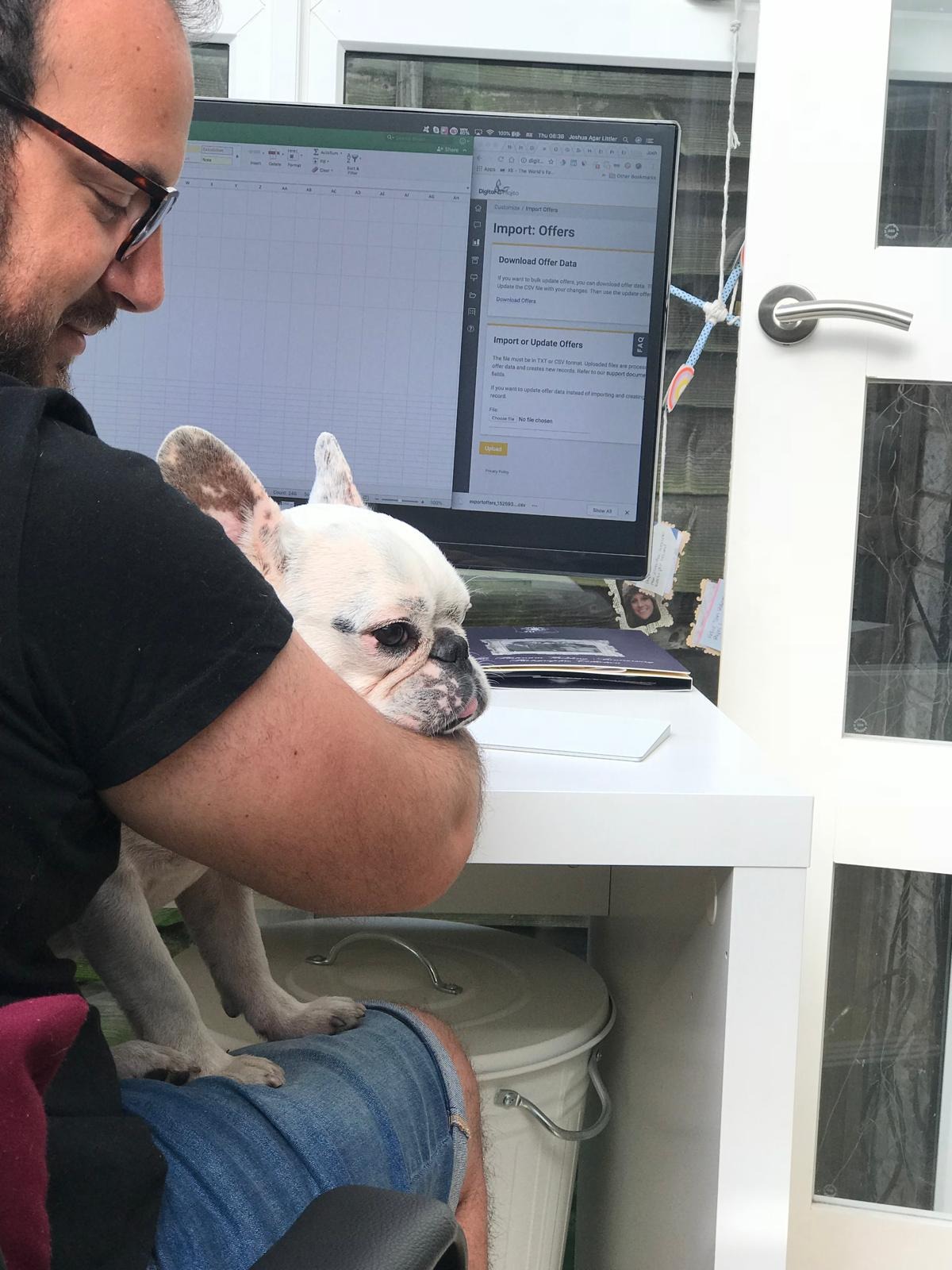
THE MOMENTS IN BETWEEN
A look back at the early days, the people and the moments along the way.



MORE FROM THE ALBUM

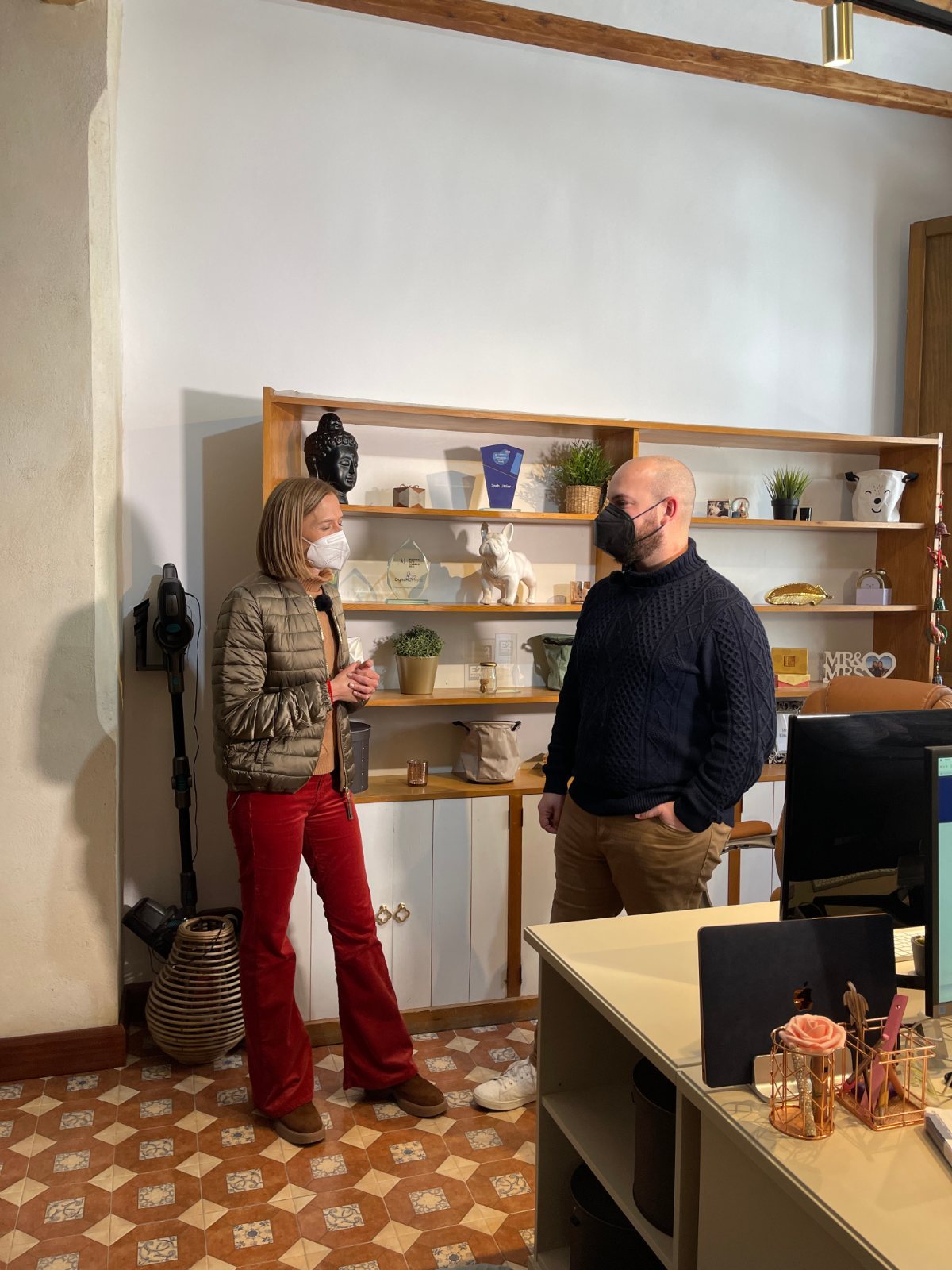
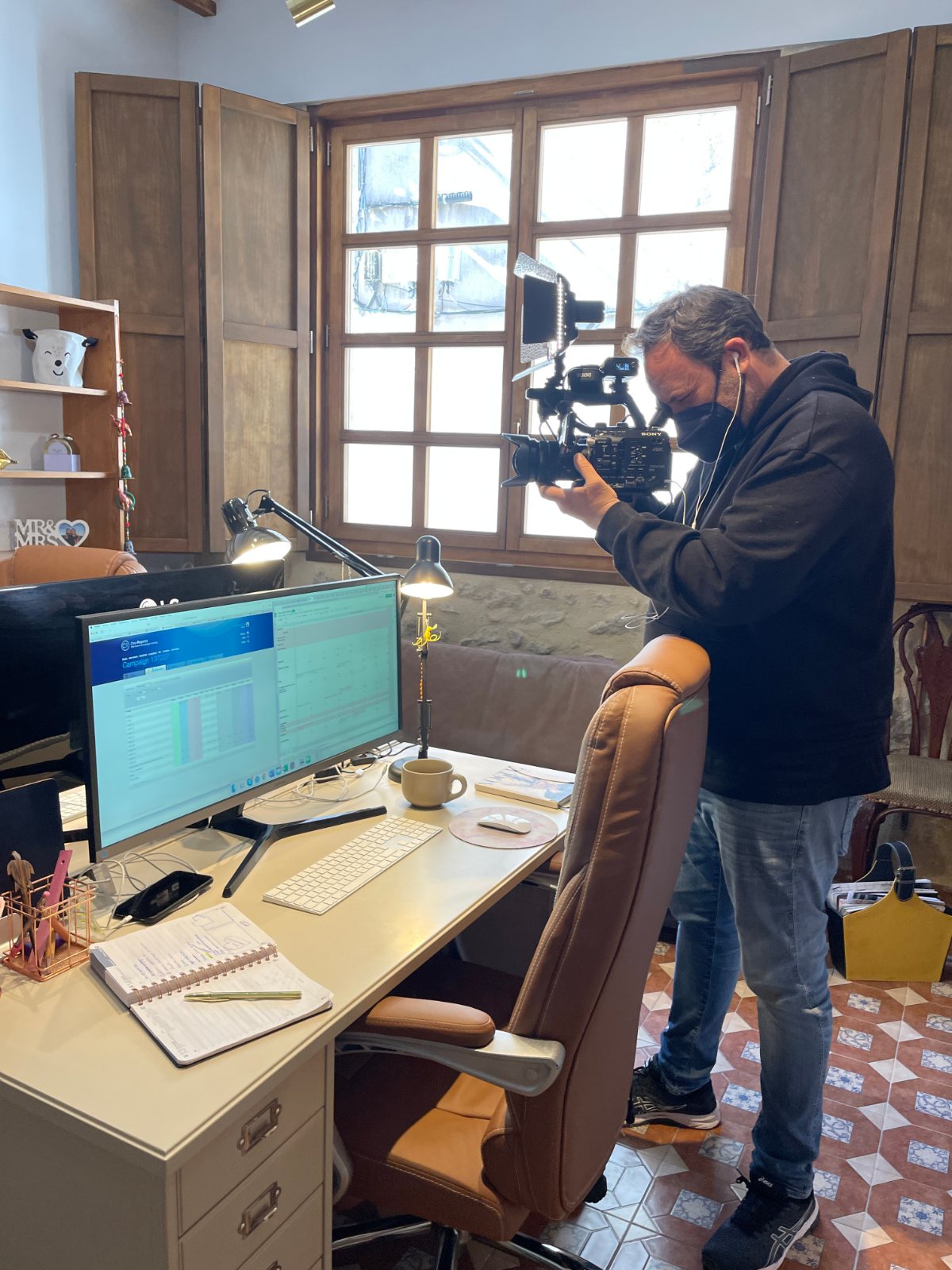

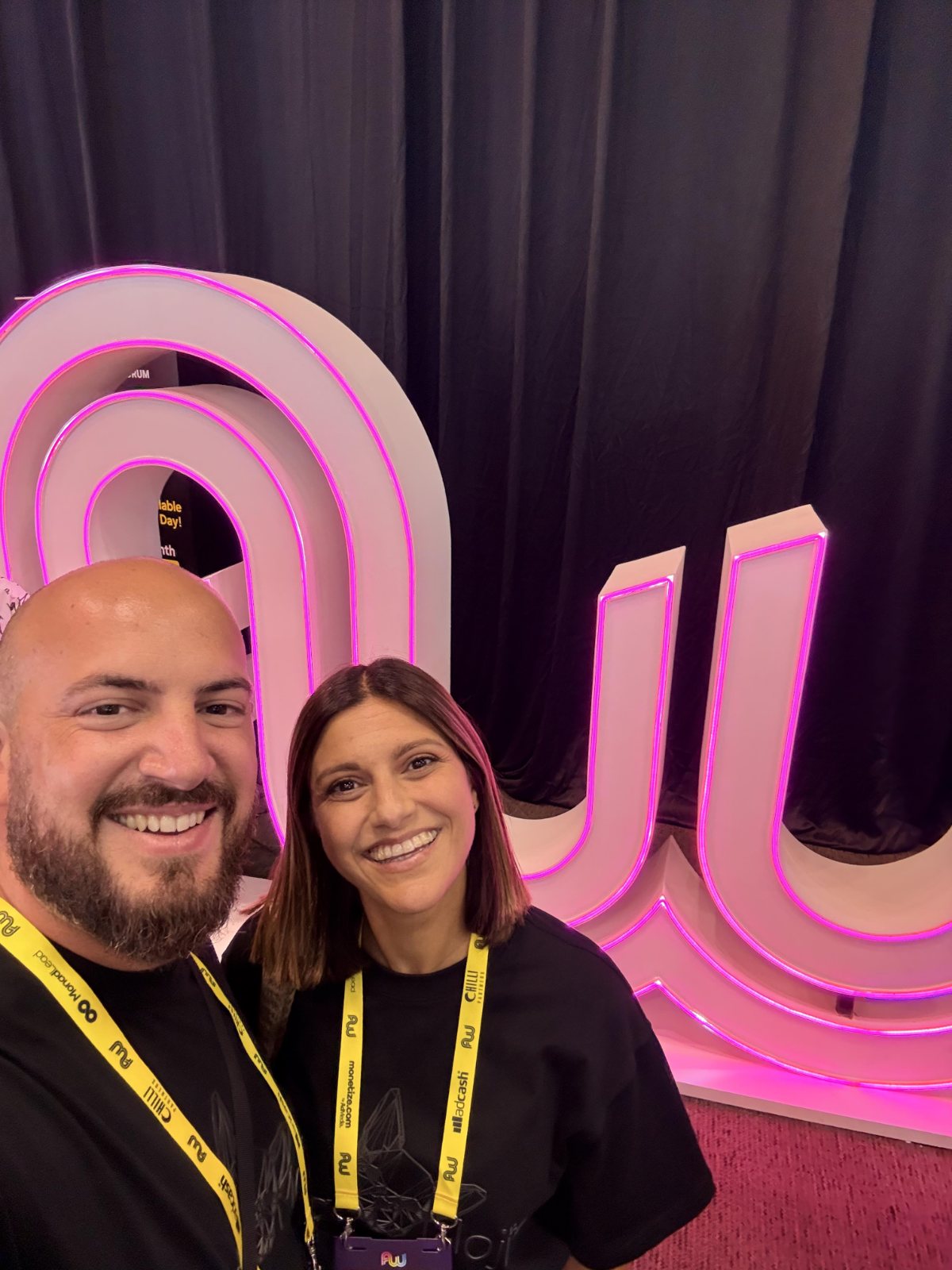

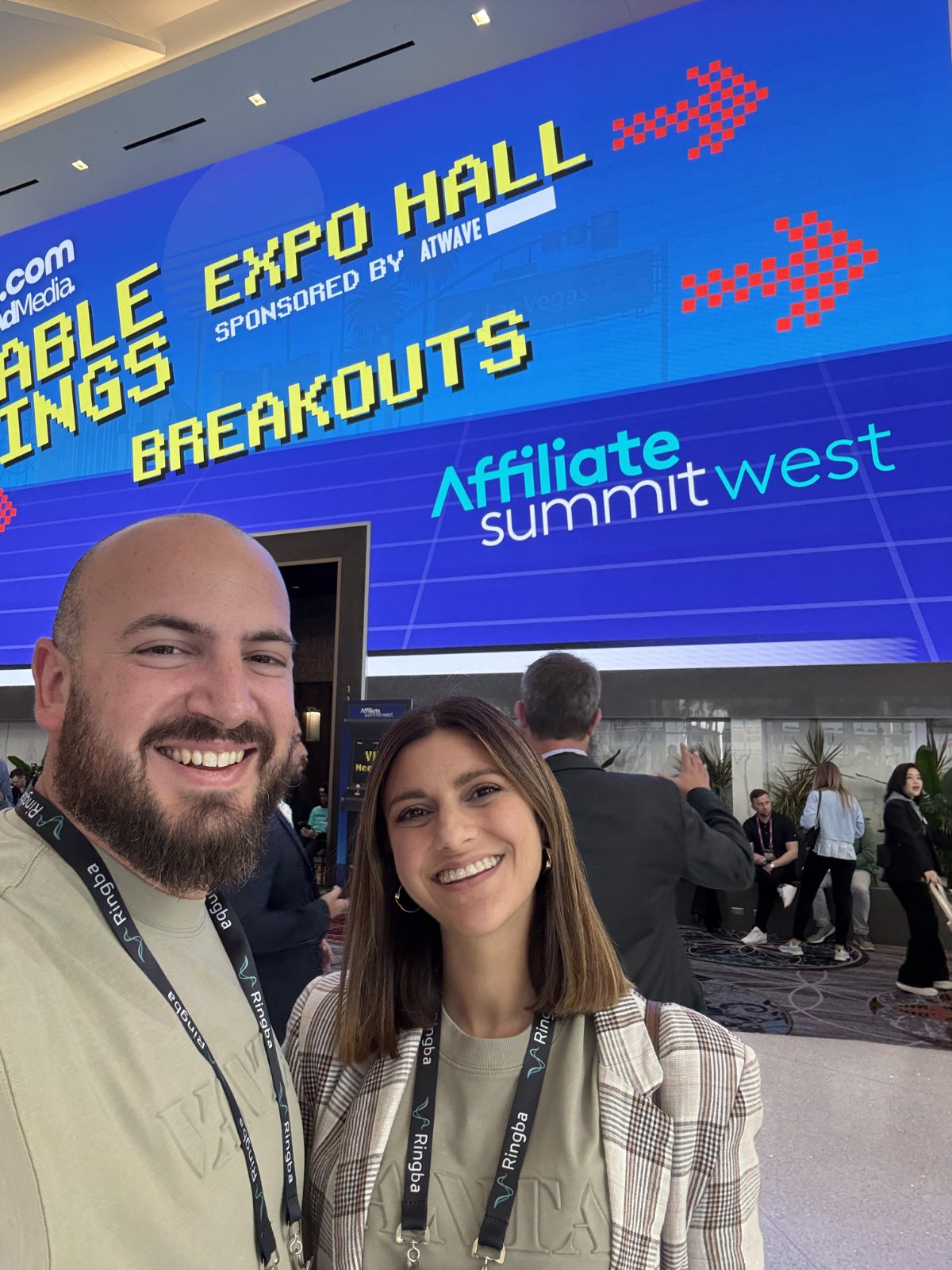
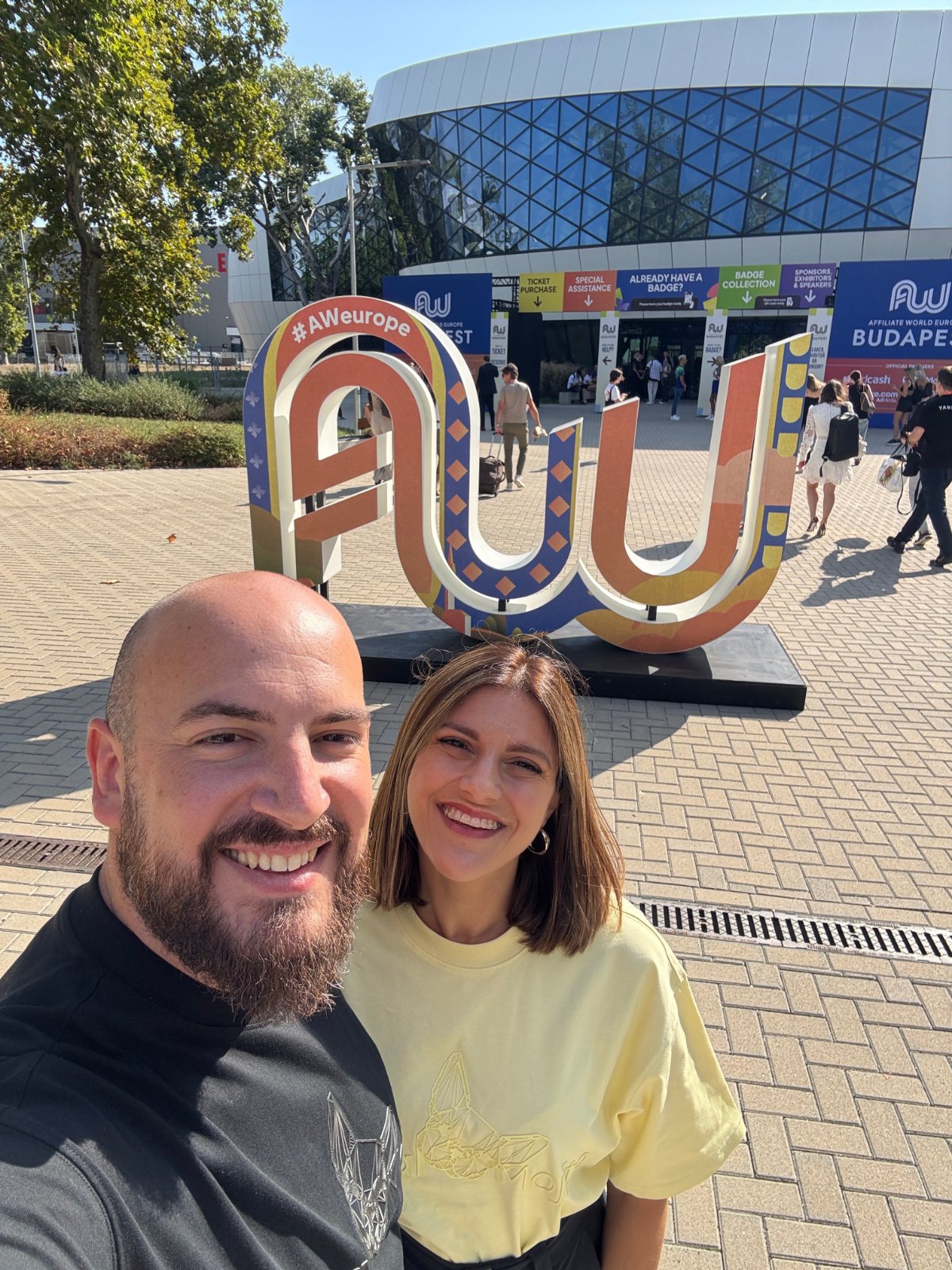


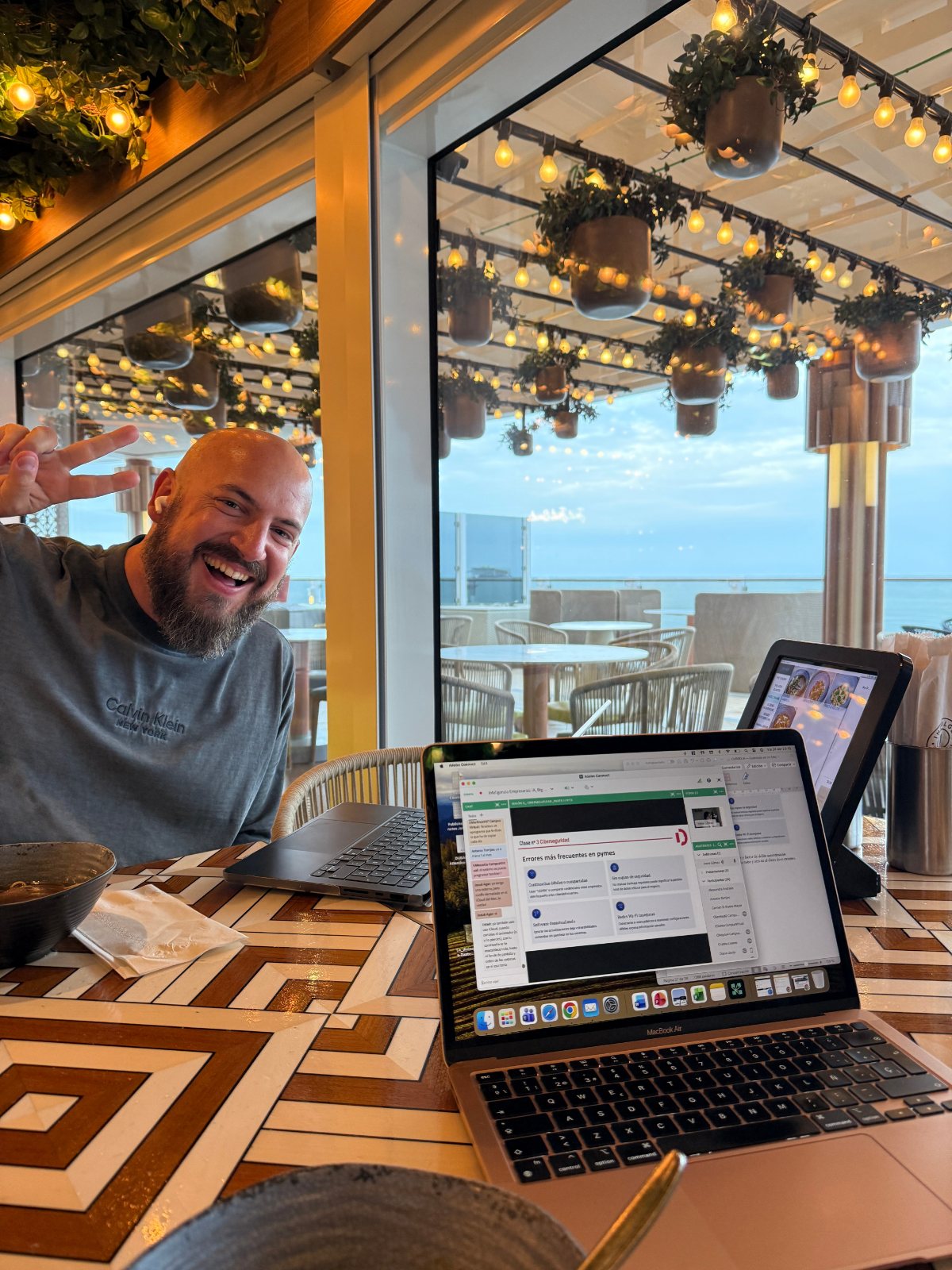
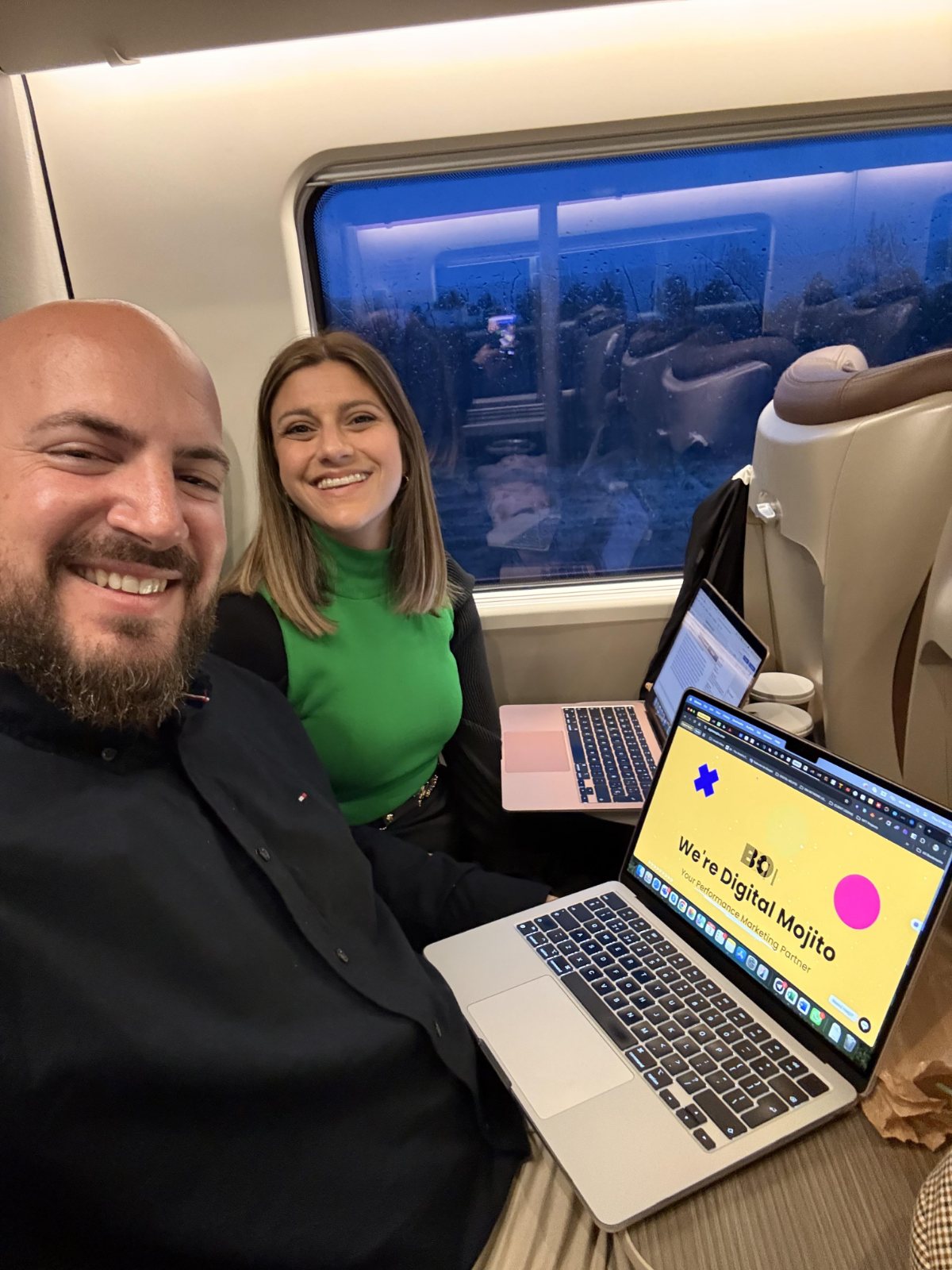
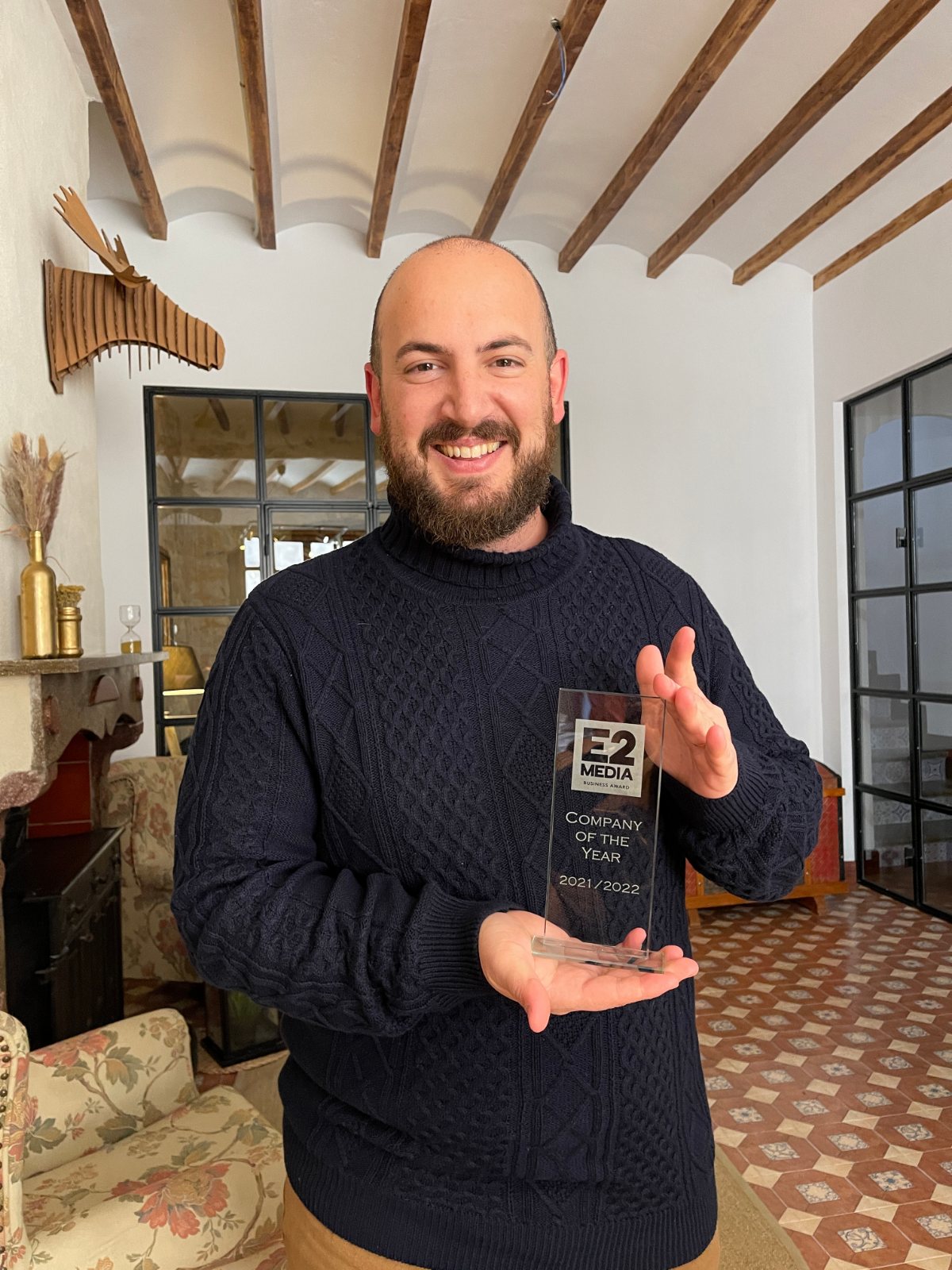

FROM THE DIGITAL MOJITO ARCHIVE

08 / THE ANNIVERSARY FOREST
GROWING FORWARD
An anniversary is a chance to look forward, too.
We’re thinking about how this celebration can grow into something meaningful for the future. More on the anniversary forest to come.
Find the latest information in the Digital Mojito forest.
Visit our forest09 / THE 2036 TIME CAPSULE
THE NEXT CHAPTER
2016 — 2026
Ten years of
making connections.
TO EVERYONE WHO’S BEEN PART OF THE JOURNEY
Ten years down.
So much more to come.